
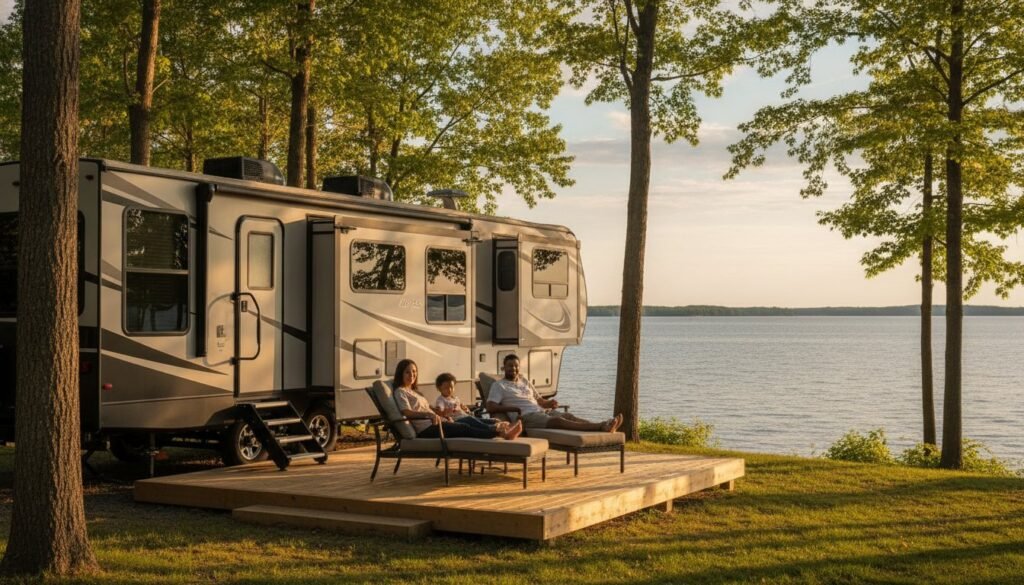
Introduction
Camping is a cherished activity for many, offering a chance to connect with nature, escape the hustle and bustle of daily life, and create lasting memories with family and friends. Whether you are a seasoned camper or a novice looking to explore the great outdoors, understanding the variety of campgrounds available, as well as the essential preparations needed, is crucial for a successful trip. This article delves into the top campgrounds near you, essential packing tips, and safety guidelines to ensure a fulfilling experience.
Top Campgrounds
1. National Parks
National Parks across the United States provide some of the most iconic camping experiences. Parks like Yellowstone, Yosemite, and the Grand Canyon offer breathtaking landscapes, diverse wildlife, and a plethora of recreational activities. Each National Park has designated campgrounds that provide essential amenities such as restrooms, potable water, and picnic areas. Reservations are often required, especially during peak seasons, so planning ahead is vital.
Camping in a National Park allows you to immerse yourself in nature, often with direct access to hiking trails, lakes, and stunning vistas. For example, Yosemite National Park features the famous Half Dome and El Capitan, attracting rock climbers and hikers alike. Moreover, the night sky in these parks can be mesmerizing, offering stargazers a unique opportunity to witness celestial beauty free from urban light pollution.
2. State Parks
State Parks are another excellent option for campers, often providing a more intimate experience compared to National Parks. With over 10,000 state parks in the United States, there is a wide variety to choose from, each with its unique charm. Parks like Acadia in Maine and Devil’s Lake in Wisconsin offer picturesque settings, often with lower foot traffic, making them perfect for families and those seeking solitude.
State Parks typically feature campgrounds equipped with essential amenities, including fire pits, picnic tables, and shower facilities. They are often less crowded and more affordable than their national counterparts, making them attractive for budget-conscious campers. Additionally, many state parks provide educational programs about local flora and fauna, enriching your camping experience.
3. Private Campgrounds
Private campgrounds can also provide unique and tailored experiences. Managed by individuals or companies, these campgrounds often offer amenities such as Wi-Fi, pools, and organized activities for families. Places like KOA (Kampgrounds of America) have locations nationwide, providing consistency and quality across their sites, making them a popular choice among campers looking for comfort and convenience.
Private campgrounds are particularly beneficial for those who may be new to camping and prefer a more structured environment. Many offer rental options for cabins, RVs, and tents that allow you to enjoy the camping experience without needing to invest in all the gear upfront. It’s a great way to dip your toes into the outdoor experience while still having access to modern comforts.
4. Unique Camping Experiences
For adventurers seeking something beyond the conventional, unique camping experiences abound. Options like glamping—glamorous camping—offer luxurious tents equipped with real beds, electricity, and gourmet meals. This style of camping is perfect for those who appreciate nature but also desire comfort.
Treehouse camping, yurt stays, and even camping in converted Airstreams can provide unforgettable experiences. These alternatives allow you to connect with nature in a distinctive way while enjoying the comforts of modern living. Such unique options can be found in various locations and often come with their own remarkable views and amenities, providing a diverse experience compared to traditional campgrounds.
Essential Packing Tips
1. Camping Gear
When preparing for a camping trip, having the right gear is essential. The foundation of your camping experience is a good tent that is waterproof and easy to set up. Additionally, sleeping bags rated for the appropriate temperature are crucial for a good night’s sleep. A sleeping pad can also provide insulation and comfort when sleeping on the ground.
Other vital equipment includes a reliable camping stove or portable grill, cookware, and utensils. Don’t forget basic tools like a multi-tool or knife, a first aid kit, and a reliable flashlight with extra batteries. Investing in quality gear can enhance your camping experience significantly by ensuring safety, comfort, and efficiency.
2. Food and Cooking Supplies
Planning your meals is a critical aspect of camping. Preparing easy-to-cook meals that require minimal cleanup will make your experience more enjoyable. Non-perishable food items like pasta, rice, canned vegetables, and snacks can be convenient options. Additionally, consider fresh produce for salads or sandwiches if you have a cooler.
Cooking essentials include a portable stove, cookware, and biodegradable soap for cleaning up. Packing reusable plates, utensils, and cups can reduce waste and is environmentally friendly. It’s also wise to pack food in airtight containers to avoid attracting wildlife and maintain freshness.
3. Clothing and Personal Items
Clothing should be chosen based on the weather and activities planned during your camping trip. Layering is key, as temperatures can fluctuate significantly from day to night. Moisture-wicking fabrics for base layers, insulating layers like fleece, and a waterproof outer shell can keep you comfortable in various conditions.
Additionally, don’t forget essentials like hats, sunglasses, and sturdy footwear designed for hiking. Personal items like toiletries should be kept minimal and eco-friendly; consider biodegradable options to minimize your impact on the environment. A good pair of binoculars can also enhance wildlife viewing experiences.
4. Safety and First Aid Kit
Safety should always be a priority while camping. A well-stocked first aid kit is essential and should include items like band-aids, antiseptic wipes, pain relievers, and any personal medications. Familiarize yourself with the contents of your kit and ensure it’s easily accessible in case of emergencies.
In addition to a first aid kit, consider bringing a whistle, a flashlight, and a firestarter. Carrying a map and compass or a GPS device can help with navigation, especially in remote areas. It’s also wise to share your itinerary with someone who is not joining the trip, ensuring someone knows your whereabouts in case of an emergency.
Safety Guidelines
1. Campfire Safety
Campfires can enhance your camping experience, providing warmth and a place for cooking and gathering. However, it’s essential to practice campfire safety. Always check local regulations regarding campfires, as there may be restrictions during high fire danger seasons. When building a fire, choose a designated fire pit if available, and ensure the area is clear of flammable materials.
Never leave a campfire unattended, and keep it small and manageable. It is important to extinguish the fire completely before leaving or going to sleep; use water to douse the flames and stir the ashes until cool. Following these precautions can prevent wildfires and ensure a safe camping experience.
2. Wildlife Precautions
Camping often places you in close proximity to wildlife. While observing animals in their natural habitat can be a thrilling experience, it’s crucial to maintain a safe distance. Always store food in bear-proof containers or hang it from a tree when camping in bear country to avoid attracting wildlife to your campsite.
Familiarize yourself with local wildlife and understand how to behave if you encounter animals like bears or snakes. Avoid feeding wildlife, as it can lead to dangerous situations both for you and the animals. Being aware of your surroundings will contribute to both your safety and the preservation of wildlife.
3. Weather Preparedness
Weather can be unpredictable in the great outdoors. Before your trip, check the forecast and prepare accordingly. Investing in weather-appropriate gear can make a significant difference in comfort levels. Learn to recognize the signs of changing weather, and have contingency plans in place in case of severe weather conditions.
Set up your campsite in a location that offers protection from the elements, such as setting up your tent away from potential hazards like falling branches or flash flood areas. Being prepared for various weather scenarios can ensure you enjoy your camping experience without unnecessary discomfort or danger.
4. Navigation and Communication
Having a reliable form of navigation is essential when camping, particularly in remote areas. While smartphones and GPS devices are handy, they can fail or run out of battery. Carrying a physical map of the area and a compass can be vital backup tools. Familiarize yourself with the area before embarking on your camping adventure.
In case of emergencies, having a means of communication is important. While cell phone signal may be weak or nonexistent in some areas, carrying a portable charger can help extend your phone’s battery life. Investing in a satellite phone or a personal locator beacon can also offer peace of mind when exploring remote regions.
Conclusion
Camping provides an unparalleled opportunity to connect with nature, explore new environments, and create lasting memories with loved ones. By exploring the various types of campgrounds, from National Parks to unique camping experiences, you can find the perfect setting for your next adventure. Packing appropriately and maintaining safety is crucial to ensure a smooth and enjoyable experience.
Whether you’re roasting marshmallows around the campfire or hiking through stunning landscapes, camping allows for relaxation and rejuvenation. By following the guidelines and tips outlined in this article, you can maximize your outdoor experience while minimizing risks. Embrace the adventure, respect nature, and enjoy the journey of camping.
FAQs
What is the best time of year to go camping?
The best time to go camping varies by location, but generally, late spring to early fall is ideal for most regions due to milder weather and more accessible campgrounds.
What should I do if I encounter wildlife while camping?
Maintain a safe distance, avoid feeding the animals, and make noise to alert them to your presence. Always follow local guidelines regarding wildlife encounters.
Do I need a reservation for campgrounds?
Many campgrounds, especially in National Parks and popular areas, require reservations, especially during peak seasons. Always check in advance and make your arrangements early.
How can I prepare for bad weather while camping?
Check the weather forecast before your trip, invest in weather-appropriate gear, and choose a campsite that offers shelter from the elements. Always have a contingency plan in case conditions deteriorate.
What are the key items to pack for a camping trip?
Key items include a tent, sleeping bag, cooking supplies, food, clothing appropriate for the weather, a first aid kit, and safety equipment like a flashlight and map.